Heating Elements are essential components in industrial equipment, commercial appliances, and manufacturing systems. They convert electrical energy into heat and provide controlled heating for applications such as plastic processing, food production, packaging, drying, and temperature maintenance.
Different heating applications require different element structures, materials, power ratings, and operating temperatures. Understanding the different types of heating elements helps equipment manufacturers, engineers, and procurement professionals select suitable products for their systems.
In this guide, we explore common industrial heating element types, their characteristics, applications, and key factors to consider when sourcing heating components.
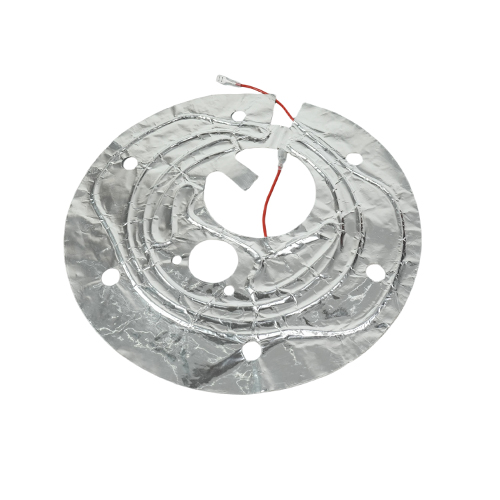
1. What Are the Different Types of heating elements?
Industrial heating elements are available in various designs to meet different installation and heating requirements. The most common types include tubular heating elements, cartridge heaters, band heaters, ceramic heating elements, strip heaters, and immersion heating elements.
Each type has a different structure and is designed for specific heating conditions.
2. Tubular Heating Elements
Tubular heating elements are widely used in industrial heating systems. They typically consist of a resistance heating wire enclosed in a metal tube, with electrically insulating material filling the space between the wire and the outer sheath.
The metal sheath protects the internal heating wire and transfers heat to the surrounding medium or equipment surface. Depending on the application, tubular heaters can be manufactured in straight, U-shaped, W-shaped, or other customized configurations.
Key Features
Available in different shapes, lengths, diameters, and power ratings
Suitable for air, liquid, and surface heating applications, depending on the design
Can be manufactured with different sheath materials
Flexible installation options for industrial equipment
Suitable for customized heating assemblies
Common Applications
Tubular heating elements are commonly used in industrial ovens, water heating systems, air heaters, food processing equipment, drying machinery, and packaging systems.
3. Cartridge Heaters
Cartridge heaters are compact cylindrical heating elements designed to fit into drilled holes in metal components. They are commonly used when concentrated heat is required within a solid metal block or machine part.
The heating wire is typically arranged around an insulating core and enclosed in a metal sheath. Cartridge heaters are available in different diameters, lengths, wattages, and voltage configurations.
Key Features
Compact cylindrical design
Suitable for localized heating
Can be installed inside metal blocks, plates, and molds
Available in different watt densities and dimensions
Can be customized for specific equipment requirements
Common Applications
Cartridge heaters are widely used in injection molding machines, extrusion equipment, hot runner systems, packaging machinery, and industrial molds.
4. Band Heaters
Band heaters are designed to wrap around cylindrical components such as barrels, pipes, and nozzles. They transfer heat directly to the external surface of the equipment and are commonly used in plastic processing machinery.
Depending on the required temperature, power density, and equipment structure, band heaters may use different heating technologies and insulation configurations.
Key Features
Designed for external cylindrical surface heating
Available in different diameters and widths
Can be manufactured with different terminal and fastening options
Suitable for maintaining controlled barrel temperatures
Can be customized to match machine dimensions
Common Applications
Typical applications include plastic injection molding machines, extruders, processing barrels, pipe heating, and industrial equipment requiring external cylindrical heating.
5. Ceramic Heating Elements
Ceramic heating elements use ceramic materials as part of their heating structure or insulation system. Ceramic band heaters and ceramic infrared heating elements are examples of products used in different industrial heating applications.
Their performance depends on the specific ceramic material, heating technology, construction, and operating conditions. Some ceramic heating designs are suitable for applications requiring high operating temperatures or infrared heat transfer.
Key Features
Available in different ceramic-based heating structures
Can support specific high-temperature applications, depending on the design
Suitable for certain industrial surface and radiant heating systems
Available in different shapes and configurations
Can be designed for specialized equipment requirements
Common Applications
Ceramic heating elements are used in plastic processing equipment, industrial ovens, thermoforming machines, packaging equipment, and selected infrared heating systems.
6. Strip Heaters
Strip heaters are flat or rectangular heating elements designed for surface heating. Their structure makes them suitable for installation on machine plates, metal surfaces, and other flat components.
They are commonly manufactured with metal sheaths and internal resistance heating wires. Depending on the design, strip heaters may include mounting holes, terminal arrangements, and different sheath materials.
Key Features
Flat or rectangular heating structure
Suitable for surface and plate heating
Available in different lengths, widths, and thicknesses
Can be designed with customized mounting features
Suitable for various industrial heating assemblies
Common Applications
Strip heaters are commonly used in packaging machinery, heating plates, industrial molds, food processing equipment, and other systems requiring flat-surface heating.
7. Immersion Heating Elements
Immersion heating elements are designed to heat liquids by transferring heat directly into the medium. They typically feature a metal-sheathed heating section and an electrical connection assembly.
The sheath material and element configuration should be selected according to the liquid's chemical properties, operating temperature, pressure, and installation conditions.
Key Features
Designed for direct liquid heating
Available in different sheath materials and configurations
Can be manufactured for different tank and vessel dimensions
Suitable for customized industrial heating systems
Requires material compatibility with the liquid being heated
Common Applications
Typical applications include water tanks, industrial washing equipment, chemical processing systems, oil heating, and liquid temperature maintenance.
8. Comparison of Different Heating Element Types
The following table summarizes the main characteristics and typical applications of common industrial heating elements.
| Heating Element Type | Main Design | Typical Applications |
|---|---|---|
| Tubular Heating Element | Metal-sheathed tubular structure | Ovens, liquid heating, air heating, drying equipment |
| Cartridge Heater | Compact cylindrical structure | Molds, injection molding, hot runner systems |
| Band Heater | Wraparound cylindrical structure | Extruders, injection molding barrels, nozzles |
| Ceramic Heating Element | Ceramic-based heating structure | Industrial ovens, plastic processing, infrared heating |
| Strip Heater | Flat or rectangular structure | Heating plates, packaging equipment, molds |
| Immersion Heater | Sheathed heating section for liquid contact | Water tanks, washing systems, liquid heating |
9. How to Choose the Right Heating Element for Your Application
Selecting the right heating element requires evaluating the heating medium, equipment structure, electrical specifications, operating temperature, and installation environment.
Heating Medium
First, determine whether the application involves heating air, liquids, metal surfaces, or solid materials. Different heating element structures are designed for different heat transfer conditions.
Power and Voltage Requirements
Confirm the required voltage, wattage, resistance, and power supply configuration. The heating element should be designed to match the electrical system of the equipment.
Operating Temperature
Determine the target operating temperature and the maximum temperature the element may experience. Sheath materials, insulation, and heating wire selection should be appropriate for the intended operating conditions.
Dimensions and Installation
Check the available installation space, element diameter, length, shape, mounting method, and terminal position. Customized dimensions may be necessary when integrating the heater into existing equipment.
Working Environment
Humidity, vibration, corrosion, dust, and exposure to chemicals can affect heating element performance. Material selection and protective construction should be based on actual operating conditions.
10. Custom Industrial Heating Elements for OEM Projects
Standard heating elements may not meet every equipment manufacturer's requirements. For specialized machinery and industrial heating systems, custom heating elements can be developed according to specific electrical, mechanical, and thermal requirements.
Depending on the manufacturer's production capabilities, customization may include:
Customized length, diameter, shape, and dimensions
Voltage, wattage, and resistance configurations
Different sheath and insulation materials
Terminal types and connection positions
Mounting structures and installation accessories
Heating element designs for specific equipment applications
When requesting a quotation, buyers should provide technical drawings, operating conditions, required temperature, electrical specifications, and estimated order quantity. These details help the engineering team evaluate the design and recommend a suitable heating solution.
11. What to Look for in a Heating Element Manufacturer
Choosing a reliable heating element manufacturer is important for equipment performance and long-term supply stability. Buyers should evaluate more than the initial product price.
Product range: Check whether the supplier manufactures the heating element types required for your equipment.
Customization capability: Confirm whether dimensions, electrical specifications, materials, and connections can be customized.
Quality control: Ask about resistance checks, insulation resistance tests, dielectric strength tests, and other relevant inspections.
Material selection: Evaluate whether the manufacturer can recommend suitable materials for the operating environment.
Production capacity: Confirm whether the supplier can support sample development, bulk orders, and repeat production.
Technical support: A responsive engineering team can help evaluate specifications and resolve product integration issues.
Frequently Asked Questions
Q1: What are the most common types of industrial heating elements?
Common types include tubular heating elements, cartridge heaters, band heaters, ceramic heating elements, strip heaters, and immersion heating elements. Each type is designed for different heating and installation requirements.
Q2: Which heating element is suitable for plastic injection molding machines?
Band heaters and cartridge heaters are commonly used in plastic injection molding equipment. The appropriate type depends on the machine structure, heating zone, required temperature, and installation design.
Q3: What materials are used in industrial heating elements?
Common materials include nickel-chromium and iron-chromium-aluminum resistance alloys for heating wires, along with stainless steel or other suitable alloys for protective sheaths. The selection depends on operating temperature, corrosion exposure, and application requirements.
Q4: Can industrial heating elements be customized?
Yes. Depending on the manufacturer, customization may include dimensions, shape, wattage, voltage, resistance, sheath material, terminal configuration, and mounting details.
Q5: How do I know which heating element is suitable for my equipment?
Identify the heating medium, required temperature, voltage, wattage, installation space, and working environment. Providing these details to a heating element manufacturer can help determine a suitable product design.
Conclusion
Different types of heating elements serve different industrial heating requirements. Tubular heaters, cartridge heaters, band heaters, ceramic heating elements, strip heaters, and immersion heaters each offer different structural characteristics and application possibilities.
For equipment manufacturers and industrial buyers, selecting the right product requires careful consideration of electrical specifications, heating conditions, material compatibility, and installation requirements. Working with an experienced heating element supplier can help simplify product selection and custom development.
Contact our team to discuss your industrial heating element requirements and OEM customization projects.