Custom temperature sensors are widely used in industrial equipment, home appliances, automotive systems, HVAC equipment, medical devices, and electronic products. For OEM manufacturers, selecting the right sensor involves more than choosing a temperature range or resistance value. The sensor must fit the product design, meet measurement requirements, withstand the operating environment, and maintain consistent performance during mass production.
When sourcing custom temperature sensors from a manufacturer, providing complete technical specifications helps reduce sample revisions, shorten development cycles, and improve production consistency. This guide explains the key requirements OEM buyers should define before requesting a quotation or starting a customized temperature sensor project.
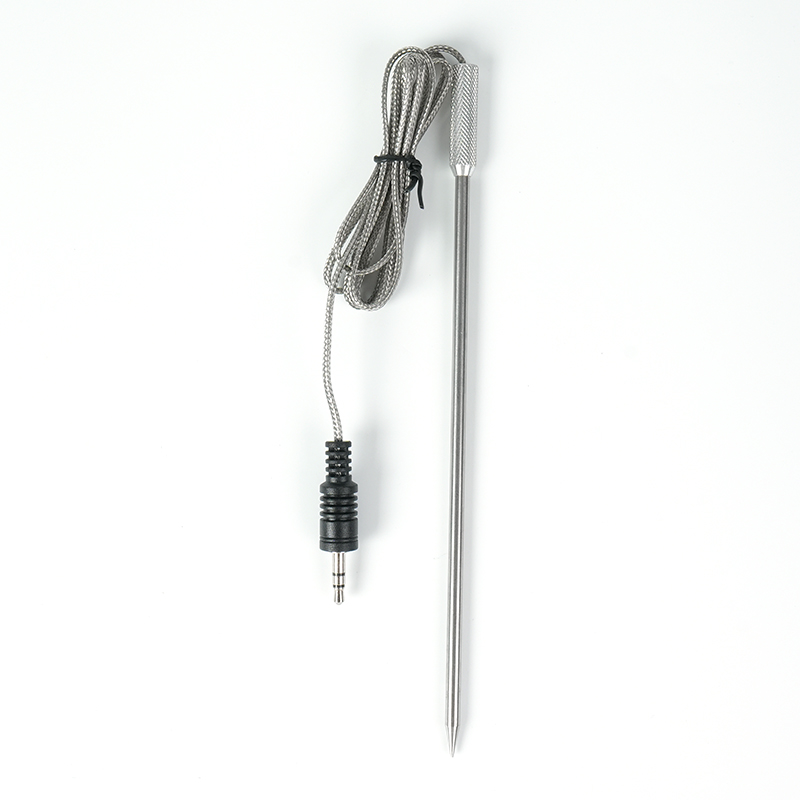
1. Define the Temperature Measurement Range
The first step is to specify the minimum and maximum temperatures the sensor must measure. Buyers should consider not only the normal operating range but also temporary temperature peaks, storage conditions, and possible environmental changes.
Different sensing technologies are suitable for different requirements. NTC thermistors are commonly used for temperature monitoring within a defined range, while RTD Temperature Sensors are frequently selected for applications requiring stable and repeatable measurements. The appropriate solution depends on the sensor design, materials, and complete operating conditions.
When requesting a quotation, provide the following information:
Minimum and maximum operating temperatures.
Expected temperature fluctuations and exposure duration.
Required measurement range and control limits.
Ambient conditions, including humidity and potential chemical exposure.
Any relevant industry or application-specific requirements.
A clearly defined temperature range helps the manufacturer recommend an appropriate sensing element, encapsulation, probe structure, and connection design.
2. Specify the Sensor Type and Electrical Characteristics
The sensing technology and electrical parameters determine how the temperature sensor interacts with the customer's measurement circuit. OEM buyers should confirm these requirements early in the design process to avoid compatibility issues during integration.
NTC Thermistors
For an NTC Temperature Sensor, important specifications may include nominal resistance at a reference temperature, B value, resistance tolerance, and the required resistance-temperature characteristics. These parameters influence the sensor's response and the way temperature is calculated by the electronic circuit.
rtd temperature sensors
For an RTD sensor, buyers should specify the sensing element type, such as Pt100 or Pt1000 where applicable, the required tolerance class, nominal resistance, and wiring configuration. Two-wire, three-wire, and four-wire designs have different requirements for compensating for lead resistance.
Before approving a customized design, confirm that the sensor's electrical characteristics are compatible with the existing control board, signal-conditioning circuit, or temperature measurement instrument.
3. Define Accuracy, Tolerance, and Stability Requirements
Temperature sensor accuracy is an important consideration for OEM products where temperature readings influence control decisions, product safety, or process consistency. However, accuracy should not be specified as an isolated number without considering the measurement range and testing conditions.
When sourcing a custom temperature sensor, clarify the following:
Resistance or temperature tolerance: The permitted deviation from the specified nominal value or temperature response.
Measurement accuracy: The acceptable error of the complete measurement system under defined conditions.
Repeatability: The ability to produce consistent readings under the same conditions.
Long-term stability: The degree to which sensor characteristics remain consistent over time.
Calibration requirements: Whether calibration records, specified test points, or traceability are needed.
These requirements should be matched to the intended application. A tighter tolerance may increase manufacturing, inspection, and calibration costs, so OEM buyers should define the actual performance requirement rather than request the tightest possible specification by default.
4. Specify Probe Dimensions and Structural Design
The physical design of a temperature sensor affects installation, thermal contact, response time, and durability. For OEM applications, the sensor often needs to fit a specific enclosure, mounting point, or assembly space.
Provide drawings or reference samples whenever possible, together with the required dimensions and tolerances. Relevant details may include:
Probe length, outer diameter, and insertion depth.
Sensing element position within the probe.
Mounting method, thread size, flange, or fixing structure.
Housing and sheath material.
Lead exit direction and available installation clearance.
Required protection against moisture, dust, vibration, or mechanical impact.
For example, a compact temperature probe used in an electronic appliance may require a different structure from an industrial RTD probe installed in process equipment. A detailed drawing helps the manufacturer evaluate feasibility before sample production.
5. Choose Suitable Cable and Connector Specifications
Cable and connector selection is often overlooked during early sourcing, but it can directly affect installation efficiency and reliability. A sensor with suitable electrical performance may still be unsuitable if the cable is too short, the connector does not match the customer's equipment, or the insulation cannot withstand the operating environment.
OEM buyers should specify:
Cable length: The required length, including installation allowance and routing distance.
Wire configuration: The number of conductors and connection arrangement required by the sensor.
Insulation material: A material compatible with the expected temperature, moisture, and chemical conditions.
Connector type: The required connector model, pin arrangement, or termination method.
Cable protection: Any requirements for shielding, abrasion resistance, or strain relief.
If the sensor will be installed in a high-temperature or moisture-prone environment, the cable, connector, sealing structure, and sensing element should be evaluated as one complete assembly.
6. Consider Response Time and Operating Environment
Temperature sensor response time refers to how quickly the sensor reacts to a change in temperature. It depends on factors such as sensing element size, probe construction, protective housing, thermal contact, and the surrounding medium.
When response time is critical, OEM buyers should specify the target response time and the test conditions under which it should be measured. A response-time value without a defined test method may not provide a meaningful basis for comparing suppliers.
Environmental requirements are equally important. Consider whether the sensor will be exposed to:
High or low ambient temperatures.
Humidity, condensation, or direct water contact.
Vibration, shock, or repeated mechanical movement.
Corrosive substances, oils, or cleaning agents.
Continuous operation or frequent temperature cycling.
Providing these details allows the manufacturer to assess the suitability of the sensing element, protective materials, sealing method, and overall construction.
7. Confirm Quality Control and Testing Requirements
For OEM buyers, a successful prototype is only one part of the sourcing process. The manufacturer must also be able to maintain consistent specifications and quality throughout repeated production batches.
Before selecting a custom temperature sensor supplier, discuss the inspection and testing plan. Depending on the product and application, this may include:
Incoming material and component inspection.
Resistance-temperature characteristic verification.
Resistance or temperature tolerance testing.
Insulation resistance or dielectric testing, where applicable.
Visual, dimensional, and connection inspections.
Calibration records or inspection reports when required.
Batch identification and traceability requirements.
Not every test is necessary for every sensor. Buyers should agree on the applicable inspection criteria, sampling plan, documentation, and acceptance limits before mass production begins.
8. Evaluate MOQ, Lead Time, and Mass Production Capacity
In addition to technical performance, commercial terms influence the suitability of a temperature sensor manufacturer for long-term OEM cooperation. A customized sensor may require dedicated tooling, special materials, or additional testing, which can affect minimum order quantities and production schedules.
During supplier evaluation, confirm the following:
MOQ: Whether the supplier supports prototype orders, pilot runs, and regular bulk purchasing.
Sample lead time: The estimated time required to review specifications and produce evaluation samples.
Mass production lead time: The production schedule for the expected order quantity.
Production consistency: The supplier's approach to maintaining specifications across batches.
Change management: How material, component, or design changes are communicated and approved.
Documentation: Availability of datasheets, drawings, inspection reports, and agreed product specifications.
For ongoing projects, it is also useful to establish a controlled specification document and sample approval process. This helps both parties maintain a consistent understanding of the approved design.
9. OEM Temperature Sensor Specification Checklist
Use the following checklist when preparing an inquiry for a customized temperature sensor. Providing as much information as possible helps the supplier assess feasibility and prepare a more accurate quotation.
| Specification | Information to Provide |
|---|---|
| Application | Equipment type and intended use |
| Sensor type | NTC, RTD, or another specified sensing technology |
| Temperature range | Minimum, maximum, and normal operating temperatures |
| Electrical specifications | Nominal resistance, B value, RTD type, wiring, and other relevant parameters |
| Accuracy and tolerance | Required tolerance, accuracy, repeatability, and calibration conditions |
| Mechanical design | Probe dimensions, mounting method, housing, and drawings |
| Cable and connector | Cable length, insulation, connector type, and termination |
| Environment | Humidity, vibration, chemical exposure, and protection requirements |
| Order requirements | Sample quantity, estimated annual demand, target lead time, and MOQ expectations |
| Quality documentation | Inspection criteria, reports, traceability, and applicable standards |
10. Frequently Asked Questions
Q1: What information is needed to order a custom temperature sensor?
At minimum, provide the intended application, sensor type, operating temperature range, required electrical characteristics, accuracy or tolerance, dimensions, cable requirements, and expected order quantity. Drawings, reference samples, and testing requirements can further improve specification accuracy.
Q2: Can temperature sensors be customized for OEM products?
Many temperature sensor manufacturers offer customization options such as probe dimensions, cable length, connector type, housing, mounting structure, electrical characteristics, and packaging. Available options depend on the manufacturer's technical capabilities and the project's requirements.
Q3: Does a tighter sensor tolerance always mean a better product?
Not necessarily. Tighter tolerance may improve measurement performance for applications that require it, but it can also increase manufacturing and inspection costs. Buyers should define tolerance according to the actual system requirements and evaluate the complete measurement chain.
Q4: How can OEM buyers reduce the cost of custom temperature sensors?
Provide complete specifications, avoid unnecessary performance requirements, standardize components where practical, and confirm expected order volumes early. Reviewing samples and drawings before mass production can also help reduce design changes and avoidable production costs.
Q5: What should buyers check before approving mass production?
Confirm the approved drawing, electrical specifications, tolerance limits, materials, cable and connector details, inspection criteria, packaging, and change-control requirements. Where appropriate, evaluate production samples and agree on the quality documentation required for each batch.
Request a Quote for Custom Temperature Sensors
Choosing a suitable temperature sensor manufacturer starts with clear technical requirements and a shared understanding of the final application. Whether your project requires an NTC thermistor, an RTD temperature sensor, or a customized probe assembly, a well-defined specification helps streamline evaluation, sampling, and mass production.
Prepare your temperature range, electrical parameters, drawings, cable requirements, and estimated order volume to support a more efficient quotation process. If some specifications are still under development, share the application details first so the appropriate options can be evaluated.
Looking for an OEM temperature sensor solution?
Contact the team to discuss your application, customization requirements, and bulk supply needs.
Request a Quote