Heating plays an important role in food processing operations, including cooking, baking, drying, pasteurization, water heating, and temperature maintenance. Reliable Heating Elements help food processing equipment maintain the required thermal conditions and support consistent production processes.
However, heating elements used in food processing equipment must meet more than basic heating requirements. Material compatibility, temperature control, corrosion resistance, equipment hygiene, and electrical safety are all important considerations when selecting an industrial heating solution.
For food machinery manufacturers, engineering teams, and industrial buyers, understanding these requirements can help improve equipment design and reduce sourcing risks. This article explores the key factors to consider when selecting heating elements for food processing applications.
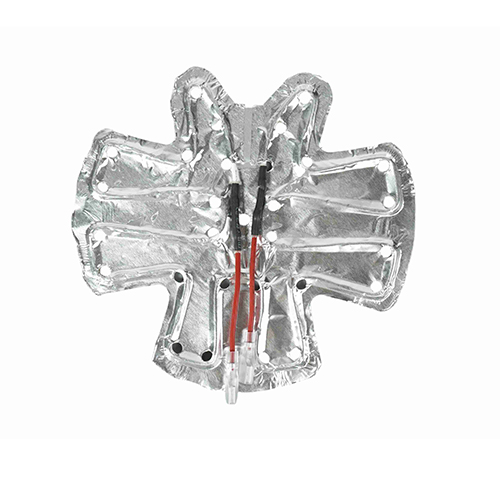
1. Common Applications of Heating Elements in Food Processing Equipment
Different food processing operations require different heating methods and equipment configurations. The heating element should be selected according to the product being processed, the heating medium, and the required production conditions.
Commercial Ovens and Baking Equipment
Industrial ovens and baking equipment use heating elements to generate and distribute heat inside the processing chamber. Depending on the oven design, tubular heating elements and other suitable heater configurations may be used for air heating or radiant heating.
Food Drying Equipment
Food dryers use controlled heat to remove moisture from products such as fruits, vegetables, grains, and other food materials. Heating elements may be integrated into air circulation systems to maintain the required drying temperature.
Food Cooking and Heating Machines
Cooking equipment, industrial kettles, and food preparation machines may use heating elements to heat water, oil, or other processing media. The heater design must be compatible with the medium and operating conditions.
Packaging and Sealing Machinery
Packaging equipment may require heating elements for sealing, forming, and temperature-controlled processing. Cartridge heaters, strip heaters, and other compact heating solutions can be used depending on the machine structure.
Water Heating and Cleaning Systems
Food production facilities often use heated water for processing, cleaning, and sanitation-related operations. Immersion heating elements may be used in tanks and water heating systems, provided the materials and installation are suitable for the application.
2. Suitable Materials for Food Processing Heating Elements
Material selection is one of the most important considerations when designing heating elements for food processing equipment. The operating environment may involve moisture, cleaning chemicals, elevated temperatures, and repeated heating cycles.
Stainless Steel Sheaths
Stainless steel is widely used for heating element sheaths because of its mechanical strength and corrosion resistance. Different stainless steel grades offer different levels of resistance to moisture, cleaning agents, and chemical exposure.
The appropriate grade should be selected according to the actual processing medium, cleaning procedures, temperature, and equipment design. Not every stainless steel grade is suitable for every food processing environment.
Nickel-Chromium Resistance Wire
Nickel-chromium alloys are commonly used as resistance heating wires because of their electrical resistance and ability to operate at elevated temperatures under suitable conditions. They are typically enclosed within an insulating structure and protective sheath.
Iron-Chromium-Aluminum Resistance Alloys
Iron-chromium-aluminum alloys are another group of resistance materials used in industrial heating elements. Their suitability depends on the required operating temperature, element design, and application conditions.
Insulation Materials
Electrical insulation materials separate the resistance wire from the outer sheath and help provide electrical isolation and heat transfer. The insulation system should be selected according to the heater's voltage, temperature, and construction requirements.
For food processing equipment, buyers should also consider whether the complete heater assembly is suitable for its installation location and cleaning environment. A stainless steel sheath alone does not automatically make a heating element food-contact compliant.
3. Corrosion Resistance and Moisture Protection
Food processing environments often involve water, steam, oils, food residues, and cleaning chemicals. These conditions can affect heating element surfaces, terminals, connections, and insulation systems.
When selecting heating elements, buyers should consider:
Exposure to water, steam, and high humidity
Contact with oils, fats, or processing liquids
Cleaning chemicals and sanitation procedures
Operating temperature and thermal cycling
Potential corrosion around terminals and connection points
Suitable sheath materials, protective construction, and terminal arrangements can help improve durability. The design should be evaluated against the actual chemical and cleaning conditions rather than relying on a general corrosion-resistance claim.
4. Temperature Control and Heating Uniformity
Many food processing operations require controlled heating to achieve consistent product quality. Temperature variation can affect cooking results, drying performance, processing time, and production consistency.
Accurate Temperature Regulation
Heating elements should be compatible with the equipment's temperature control system. Thermocouples, RTDs, thermostats, and controllers may be used to monitor and regulate operating temperatures, depending on the machine design.
Uniform Heat Distribution
Uneven heating may result in inconsistent processing conditions. Heater placement, element shape, wattage distribution, airflow, and the design of the heating chamber all influence temperature uniformity.
Appropriate Power Density
Power density affects the heat generated over a specific heating surface. Selecting an appropriate watt density helps match the heater to the application and reduces the risk of excessive surface temperatures or insufficient heating.
Actual temperature control and uniformity depend on the complete equipment system, not only the heating element. Engineers should evaluate the heater together with sensors, controllers, airflow, and thermal load.
5. Hygienic Design and Food Safety Considerations
Food processing equipment is often subject to strict hygiene and sanitation requirements. Heating elements should be installed and protected in a way that supports the equipment's cleaning and maintenance procedures.
Important design considerations include:
Suitable installation location: Position heating elements to avoid unnecessary exposure to food residues and contamination risks.
Cleanable equipment surfaces: The surrounding assembly should avoid unnecessary gaps and hard-to-clean areas where the equipment design permits.
Appropriate sealing: Terminals and electrical connections should be protected according to the installation environment.
Material compatibility: Materials in direct food-contact areas must meet the relevant requirements for the intended market and application.
Maintenance accessibility: The heater should be accessible for inspection, cleaning, and replacement where necessary.
It is important to distinguish between a heating element installed inside a protected machine enclosure and a component that directly contacts food. Direct food-contact applications may require additional material documentation and regulatory evaluation.
6. Electrical Safety and Insulation Performance
Electrical safety is essential for heating elements used in food processing equipment, particularly in environments where water, steam, and cleaning operations are present.
When evaluating a heating element, buyers and equipment manufacturers should consider:
Rated voltage and power configuration
Insulation resistance
Dielectric strength
Electrical connection and terminal protection
Grounding and protective measures within the equipment
Applicable electrical safety requirements
Relevant electrical tests should be performed according to the product design and applicable standards. The complete equipment assembly must also be evaluated to ensure that electrical protection is suitable for the intended operating environment.
7. How to Choose the Right Heating Element for Food Processing Equipment
Selecting the right industrial heating element requires a clear understanding of the equipment's heating process, electrical system, and operating environment.
Identify the Heating Method
Determine whether the application requires air heating, liquid heating, surface heating, or localized heating. Tubular heaters, immersion heaters, strip heaters, and cartridge heaters serve different installation and heat transfer requirements.
Confirm Voltage and Wattage
Provide the rated voltage, required wattage, and power supply configuration. These specifications help the manufacturer design an element that matches the equipment's electrical system.
Determine the Operating Temperature
Specify the required working temperature and maximum operating conditions. The sheath material, resistance wire, insulation, and heater structure should be suitable for the intended temperature range.
Evaluate the Working Environment
Consider moisture, steam, cleaning chemicals, food residues, vibration, and thermal cycling. These factors influence material selection, terminal protection, and product construction.
Check Installation Dimensions
Provide the required length, diameter, shape, mounting method, terminal position, and available installation space. Customized dimensions may be necessary for existing food processing machinery.
8. Standard vs. Custom Heating Elements for Food Machinery
Standard heating elements can be suitable for equipment with conventional dimensions and electrical requirements. However, food processing machinery may have specialized heating chambers, installation restrictions, or environmental conditions that require a customized design.
| Consideration | Standard Heating Element | Custom Heating Element |
|---|---|---|
| Dimensions | Available standard sizes | Designed to match equipment dimensions |
| Electrical Specifications | Fixed or limited configurations | Can be specified for project requirements |
| Materials | Available material options | Selected according to operating conditions |
| Installation | Suitable for compatible equipment | Can accommodate special mounting and connection needs |
| Development | Usually requires less design work | May require engineering evaluation and sample testing |
For OEM equipment manufacturers, custom heating elements can help improve integration and match specific thermal and mechanical requirements. Any design changes should be reviewed to ensure that the final product meets the relevant safety and performance requirements.
9. What Should Buyers Check When Sourcing Food Processing Heating Elements?
For importers, distributors, and food machinery manufacturers, supplier evaluation should cover product quality, technical support, and production consistency.
Material specifications: Confirm the sheath, resistance wire, and insulation materials used in the product.
Technical documentation: Request drawings, electrical specifications, and relevant material information.
Quality testing: Ask about resistance, insulation, dielectric strength, and other applicable inspections.
Customization capability: Check whether the manufacturer can adjust dimensions, wattage, voltage, and terminal configurations.
Production capacity: Confirm the supplier's ability to support sample orders, bulk purchasing, and repeat production.
Compliance support: Verify relevant certificates and test reports for the exact product and target market.
Before mass production, requesting samples and evaluating them under representative operating conditions can help identify potential integration or performance issues.
10. Custom Heating Element Solutions for Food Processing Equipment
Different food processing machines have different heating requirements. A custom heating element may be needed when standard products cannot match the required dimensions, electrical specifications, materials, or installation conditions.
Depending on the manufacturer's capabilities, custom solutions may include:
Customized tubular heating elements for ovens and drying systems
Immersion heating elements for water and liquid heating equipment
Cartridge heaters for localized heating applications
Strip heaters for heating plates and packaging machinery
Customized sheath materials and terminal configurations
OEM heating elements developed according to equipment drawings
To support an accurate quotation and product evaluation, buyers should provide the application, heating medium, operating temperature, voltage, wattage, dimensions, installation method, environmental conditions, and expected order quantity.
Frequently Asked Questions
Q1: What type of heating element is commonly used in food processing equipment?
Tubular heating elements, immersion heaters, cartridge heaters, and strip heaters are used in different food processing applications. The suitable type depends on whether the equipment requires air, liquid, surface, or localized heating.
Q2: Which sheath material is suitable for food processing heating elements?
Stainless steel is commonly used for heating element sheaths, but the appropriate grade depends on the operating temperature, moisture exposure, cleaning chemicals, and processing medium. Material suitability should be evaluated for the actual application.
Q3: Are all stainless steel heating elements food grade?
No. Using stainless steel does not automatically make a heating element food grade or suitable for direct food contact. Buyers should confirm the exact material grade, component construction, intended installation location, and applicable regulatory requirements.
Q4: How can heating elements maintain uniform temperatures in food processing equipment?
Uniform heating depends on element placement, wattage distribution, airflow or liquid circulation, temperature sensors, and control systems. The heater should be evaluated as part of the complete equipment design.
Q5: Can heating elements for food processing equipment be customized?
Yes. Depending on the manufacturer's capabilities, dimensions, voltage, wattage, sheath materials, shape, mounting structure, and terminal arrangements can be customized according to the equipment requirements.
Q6: What information should I provide when requesting a quotation?
Provide the application, heating medium, operating temperature, voltage, wattage, dimensions, sheath material requirements, installation details, and estimated order quantity. Technical drawings and photos can also help the manufacturer evaluate the project.
Conclusion
Heating elements for food processing equipment must meet a combination of thermal, mechanical, electrical, and environmental requirements. Material compatibility, corrosion resistance, temperature control, hygienic equipment design, and electrical safety all contribute to reliable operation.
For food machinery manufacturers and industrial buyers, selecting the right heating element starts with understanding the actual processing conditions and equipment specifications. Working with an experienced heating element manufacturer can help identify suitable materials, configurations, and customized solutions.
Contact our team to discuss custom heating elements for your food processing equipment and OEM projects.