rtd sensors are widely used for accurate temperature measurement in industrial automation, HVAC systems, process equipment, and laboratory applications. The wire used for an RTD sensor plays an important role in signal transmission, measurement accuracy, and long-term reliability.
Different applications require different RTD wiring configurations, including 2-wire, 3-wire, and 4-wire RTD designs. Understanding the differences can help buyers select the right RTD sensor solution for their temperature measurement systems.
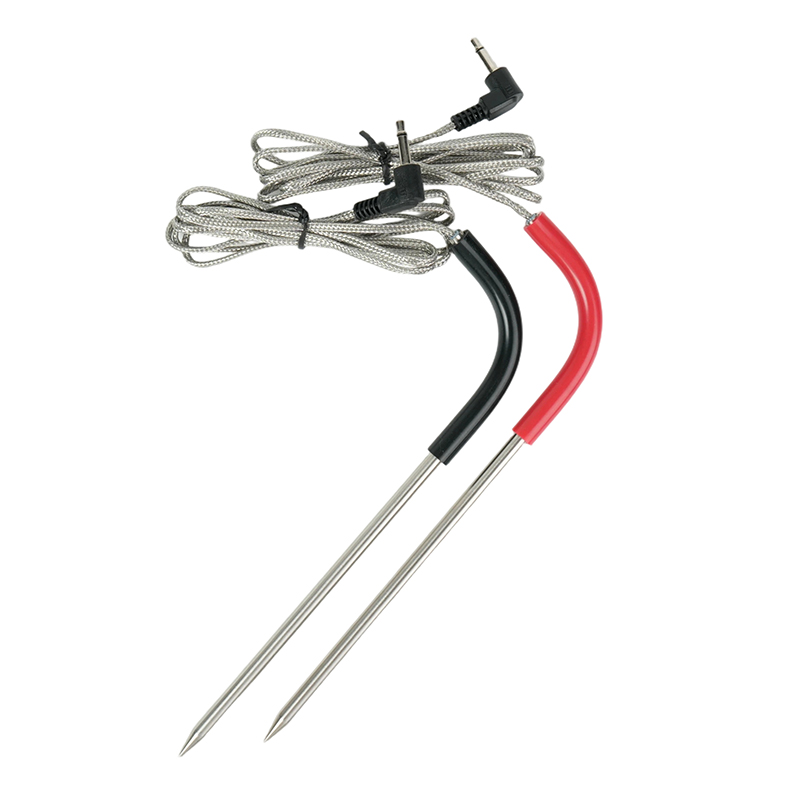
What Type of Wire Is Used for RTD?
RTD sensors typically use electrical lead wires made from conductive materials such as copper or nickel-plated copper. These wires are designed to transmit the resistance signal generated by the RTD sensing element to the temperature monitoring device.
The choice of RTD wire depends on factors such as temperature range, installation environment, chemical exposure, and required measurement accuracy.
Common Types of RTD Wiring Configurations
2-Wire RTD
A 2-wire RTD uses two lead wires connected to the sensing element. It is a simple and cost-effective solution for applications where small measurement errors caused by lead resistance are acceptable.
3-Wire RTD
A 3-wire RTD is the most common configuration used in industrial temperature measurement. The additional wire helps compensate for lead resistance, improving accuracy compared with a 2-wire RTD.
This wiring method is widely used in manufacturing equipment, automation systems, and industrial control applications.
4-Wire RTD
A 4-wire RTD provides the highest accuracy because it eliminates the influence of lead wire resistance. It is commonly used in precision measurement systems, calibration equipment, and laboratory applications.
What Materials Are Used for RTD Wires?
Copper Wire: Commonly used because of its excellent electrical conductivity.
Nickel-Plated Copper Wire: Provides better corrosion resistance and durability.
PTFE Insulated Wire: Suitable for high-temperature and chemical environments.
Fiberglass Insulated Wire: Designed for industrial applications with high heat exposure.
Silicone Cable: Provides flexibility and good temperature resistance.
How to Choose the Right RTD Cable?
Consider the operating temperature range.
Select the appropriate wire configuration based on accuracy requirements.
Choose insulation materials according to the working environment.
Check cable length and installation requirements.
Ensure compatibility with the temperature controller or transmitter.
Why Is RTD Wiring Important?
Proper RTD wiring ensures accurate temperature measurement and stable signal transmission. Incorrect wire selection or unsuitable wiring configuration may cause measurement errors and reduce system performance.
For industrial applications requiring reliable temperature monitoring, selecting the right RTD wire and cable design is essential.
FAQ About RTD Wire
What cable is used for RTD sensors?
RTD sensors commonly use copper or nickel-plated copper cables with insulation materials selected according to temperature and environmental requirements.
Is 3-wire RTD better than 2-wire RTD?
A 3-wire RTD generally provides better accuracy because it compensates for lead wire resistance, making it suitable for most industrial applications.
Why does RTD use 4 wires?
A 4-wire RTD eliminates lead resistance errors and provides the highest measurement accuracy for precision temperature measurement.