



Accurate temperature measurement is essential in industries such as manufacturing, food processing, pharmaceuticals, medical equipment, chemical production, and industrial automation. Even a small measurement error can affect product quality, process efficiency, and equipment safety. For this reason, calibration of RTD Temperature Sensors is a critical part of maintaining reliable temperature monitoring systems.
Although rtd temperature sensors are well known for their excellent accuracy and long-term stability, factors such as aging, mechanical stress, environmental conditions, and prolonged use can gradually affect their performance. Regular calibration ensures that the sensor continues to provide accurate readings and complies with industry quality standards.
This article explains why RTD temperature sensor calibration is important, common calibration methods, recommended procedures, influencing factors, and best practices for maintaining long-term measurement accuracy.
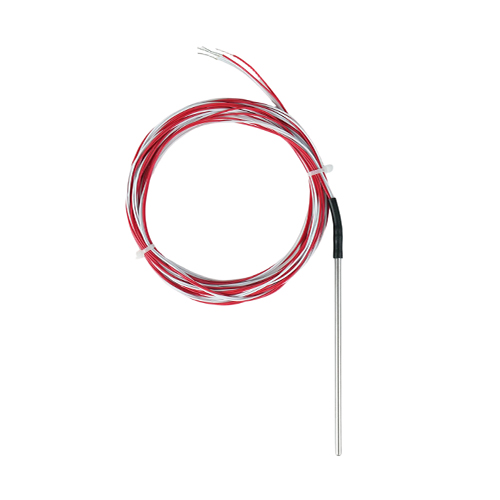
What Is RTD Temperature Sensor Calibration?
Calibration of RTD temperature sensors is the process of comparing the sensor's temperature readings with a certified reference standard to determine whether the sensor is measuring accurately.
If deviations are detected, correction values or calibration adjustments can be applied to ensure reliable performance.
Calibration does not necessarily repair a sensor. Instead, it verifies measurement accuracy and documents any measurement error.
Why Is RTD Temperature Sensor Calibration Important?
Although platinum RTD temperature sensors are highly stable, no sensor maintains perfect accuracy forever.
Regular calibration helps manufacturers:
Verify measurement accuracy
Detect sensor drift
Improve process consistency
Reduce production errors
Meet industry quality requirements
Extend equipment reliability
In industries where temperature directly affects product quality, routine calibration is considered an essential maintenance procedure.
How Does an RTD Temperature Sensor Work?
An RTD temperature sensor measures temperature by detecting changes in the electrical resistance of its sensing element.
Most industrial RTDs use platinum because of its predictable resistance-temperature relationship.
As temperature increases:
Resistance increases
Measurement instruments convert resistance into temperature values
If the resistance characteristics change due to aging or environmental factors, calibration is required to verify sensor performance.
Common Reasons Why RTD Temperature Sensors Need Calibration
Several factors may gradually influence measurement accuracy.
Sensor Aging
Continuous heating and cooling cycles may slightly change the characteristics of the sensing element over time.
Mechanical Stress
Vibration, bending, or improper installation can affect sensor stability.
High-Temperature Exposure
Long-term operation at elevated temperatures may accelerate material aging.
Environmental Conditions
Exposure to:
Moisture
Chemicals
Dust
Corrosive environments
may influence long-term performance.
Production Wear
Industrial equipment operating continuously often requires scheduled calibration to maintain measurement reliability.
Common Calibration Methods for RTD Temperature Sensors
Several calibration methods are used depending on the required accuracy and application.
1. Comparison Calibration
Comparison calibration is the most widely used method.
The RTD sensor and a certified reference thermometer are placed in the same controlled temperature environment.
Their readings are compared at several temperature points.
Advantages include:
Simple procedure
High reliability
Suitable for industrial applications
Cost-effective
2. Fixed-Point Calibration
This method uses internationally recognized temperature reference points.
Examples include:
Ice point (0°C)
Water triple point
Metal freezing points
Advantages:
Extremely high accuracy
Traceable measurements
Suitable for calibration laboratories
3. Dry Block Calibration
Dry block calibrators generate stable temperatures using a precision heating block.
The RTD probe is inserted into the calibration block together with a reference sensor.
Benefits include:
Portable equipment
Fast calibration
Suitable for field service
Convenient for industrial maintenance
4. Liquid Bath Calibration
Liquid calibration baths provide highly stable and uniform temperatures.
Common applications include:
Laboratory calibration
Research facilities
High-accuracy testing
Liquid baths generally provide better temperature uniformity than dry block systems.
Standard RTD Temperature Sensor Calibration Procedure
A typical calibration process includes the following steps.
Step 1: Visual Inspection
Inspect the sensor for:
Physical damage
Corrosion
Cable wear
Loose connections
Damaged sensors should be repaired or replaced before calibration.
Step 2: Select Calibration Points
Calibration points should match the intended operating range.
For example:
0°C
50°C
100°C
200°C
Industrial users often choose multiple points across the working temperature range.
Step 3: Stabilize Temperature
Allow sufficient time for:
The calibration equipment
The RTD sensor
The reference thermometer
to reach thermal equilibrium.
Stable temperatures improve measurement accuracy.
Step 4: Record Measurement Results
Compare:
RTD sensor reading
Reference thermometer reading
Record any deviation at each calibration point.
Step 5: Analyze Calibration Error
Evaluate whether measurement deviations remain within acceptable tolerances.
If necessary:
Apply correction factors
Adjust transmitter settings
Replace the sensor
Factors That Affect RTD Calibration Accuracy
Several factors influence calibration quality.
Reference Standard Accuracy
The reference thermometer should have significantly higher accuracy than the sensor being calibrated.
Temperature Stability
Fluctuating calibration temperatures increase measurement uncertainty.
Stable calibration equipment produces better results.
Probe Immersion Depth
Improper insertion depth may create temperature gradients.
Following manufacturer recommendations improves repeatability.
Lead Wire Resistance
For 2-wire RTD sensors, cable resistance can introduce additional measurement errors.
Using 3-wire or 4-wire RTD sensors can significantly improve calibration accuracy.
Environmental Conditions
Calibration should be performed in a clean and stable environment with minimal airflow and vibration.
How Often Should RTD Temperature Sensors Be Calibrated?
Calibration frequency depends on several factors:
Industry regulations
Operating environment
Required measurement accuracy
Sensor usage frequency
Typical recommendations are:
| Application | Recommended Calibration Interval |
|---|---|
| Laboratory equipment | Every 6–12 months |
| Pharmaceutical production | Every 6–12 months |
| Food processing | Every 12 months |
| Industrial automation | Every 12–24 months |
| General manufacturing | Based on maintenance schedule |
Critical applications may require more frequent calibration.
Best Practices for Maintaining RTD Accuracy
To maximize the performance of an RTD temperature sensor, manufacturers should follow several best practices.
Use High-Quality Sensors
Selecting a reliable RTD temperature sensor manufacturer ensures better long-term stability.
Avoid Mechanical Damage
Proper handling prevents unnecessary stress on the sensing element.
Protect Against Moisture
Use waterproof RTD probes in humid or outdoor environments.
Perform Preventive Maintenance
Regular inspections help detect problems before measurement accuracy is affected.
Maintain Calibration Records
Documenting calibration history allows manufacturers to monitor sensor drift and schedule future maintenance effectively.
Applications Requiring Regular RTD Calibration
Food and Beverage Industry
Accurate temperature monitoring ensures product safety and consistent quality during cooking, storage, and processing.
Pharmaceutical Manufacturing
Strict regulatory requirements demand traceable temperature measurements throughout production.
Industrial Automation
RTD sensors monitor machinery, process temperatures, and production equipment to maintain operational efficiency.
Chemical Processing
Reliable temperature measurement improves reaction control and product consistency.
Laboratory and Research
Precision experiments rely on regularly calibrated RTD sensors to ensure accurate and repeatable results.
FAQ
Q1: Why should RTD temperature sensors be calibrated?
Calibration verifies measurement accuracy, detects sensor drift, and ensures reliable temperature monitoring.
Q2: How often should RTD sensors be calibrated?
Most industrial applications recommend calibration every 12 months, while critical industries such as pharmaceuticals or laboratories may require calibration every 6–12 months.
Q3: What is the most common RTD calibration method?
Comparison calibration is the most commonly used method because it is accurate, practical, and suitable for most industrial applications.
Q4: Can RTD calibration be performed on-site?
Yes. Portable dry block calibrators allow many RTD temperature sensors to be calibrated directly in industrial facilities.
Q5: Does calibration improve sensor accuracy?
Calibration itself does not change the sensing element. It verifies measurement accuracy and identifies deviations so correction factors or adjustments can be applied when necessary.
Conclusion
Regular calibration of RTD temperature sensors is essential for maintaining accurate, reliable, and traceable temperature measurements across industrial and laboratory applications. By selecting the appropriate calibration method, following standardized procedures, and performing routine maintenance, manufacturers can reduce measurement errors, improve product quality, and extend sensor service life.
Whether used in food processing, pharmaceuticals, chemical production, or industrial automation, a properly calibrated RTD temperature sensor delivers consistent performance and helps ensure process efficiency. Partnering with an experienced RTD temperature sensor manufacturer also provides access to high-quality sensors, technical support, and customized solutions that meet demanding application requirements.
