



Cooking meat perfectly is often less about guesswork and more about precision.Whether you are grilling steak,roasting chicken,or smoking brisket,using a meat temperature probe can make the difference between dry overcooked food and a juicy,perfectly cooked meal.
A meat probe thermometer is a simple but powerful kitchen tool that helps you monitor internal temperature in real time,ensuring food safety and consistent results every time.
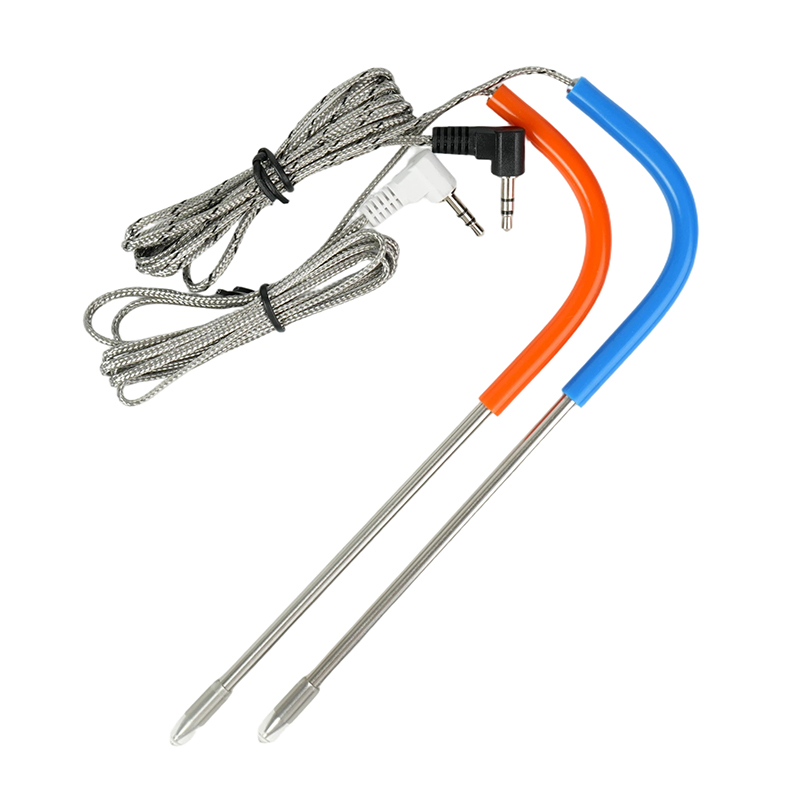
What Is a Meat Temperature Probe?
A meat probe(also called a meat temperature probe or meat temp probe)is a heat-resistant sensor designed to measure the internal temperature of food while it is cooking.
It usually consists of:
A stainless steel probe inserted into the meat
A heat-resistant cable or wireless connection
A digital display or smart receiver
Modern meat probe thermometers can even connect to smartphones via Bluetooth or Wi-Fi,allowing remote monitoring without opening the oven or grill.
Why Use a Meat Temperature Probe?
Using a meat thermometer is not just about convenience—it is about accuracy,safety,and taste.
Here’s why it matters:
Prevents undercooked meat and foodborne illness
Avoids overcooking and dryness
Ensures consistent cooking results
Improves flavor and texture
Helps beginners cook like professionals
For anyone serious about cooking,a meat temp probe is an essential kitchen companion.
How to Use a Meat Temperature Probe(Step-by-Step)
Using a meat temperature probe is simple,but correct placement and timing are very important.
Step 1:Insert the Probe Correctly
Insert the probe into the thickest part of the meat.Avoid touching bones or fat,as this can give inaccurate readings.
For large cuts like roast beef or whole chicken,aim for the center of the meat.
Step 2:Connect and Turn On
If you are using a digital meat probe thermometer,turn it on and connect it to the display unit or smartphone app if available.
Some modern models allow real-time temperature tracking,which is especially useful for grilling or smoking.
Step 3:Set Target Temperature
Different meats require different internal temperatures:
Chicken:74°C/165°F
Beef steak(medium):60–63°C/140–145°F
Pork:63°C/145°F
Lamb:60–65°C/140–150°F
Setting a target temperature helps you avoid overcooking.
Step 4:Monitor During Cooking
Keep the meat temperature probe inserted while cooking.Avoid opening the oven or grill too often,as this can affect heat stability.
A good meat probe thermometer gives continuous updates so you can track progress without interruption.
Step 5:Remove and Rest the Meat
Once the target temperature is reached,remove the meat from heat and let it rest for a few minutes.This allows juices to redistribute,improving texture and flavor.
Key Features of a Meat Probe Thermometer
A modern meat probe thermometer offers several useful features:
Fast and accurate temperature readings
Heat-resistant stainless steel probe
Digital or wireless display
Alarm function for target temperature
Long probe cable or Bluetooth connection
Suitable for ovens,grills,and smokers
These features make it suitable for both home cooks and professional chefs.
Applications of Meat Temperature Probes
A meat temp probe is widely used in different cooking environments:
Home Cooking
Perfect for roasting chicken,turkey,beef,or pork in the oven.
BBQ and Grilling
Helps monitor steaks,ribs,and burgers on the grill without cutting into the meat.
Smoking
Essential for low-and-slow cooking like brisket or pulled pork.
Professional Kitchens
Used in restaurants to ensure food safety and consistent quality.
Benefits of Using a Meat Probe
Using a meat probe thermometer brings several advantages:
Reduces cooking guesswork
Improves cooking confidence
Ensures food safety standards
Saves time and energy
Enhances flavor consistency
Even experienced chefs rely on temperature probes for precision cooking.
Common Mistakes to Avoid
When using a meat temperature probe,avoid these mistakes:
Placing the probe too close to bone or fat
Removing the probe too early
Not calibrating the thermometer
Opening the oven too frequently
Ignoring resting time after cooking
Avoiding these errors ensures accurate readings and better cooking results.
FAQ
Q1:Where should I place a meat probe in the meat?
A:Always insert it into the thickest part of the meat,avoiding bone,fat,or empty cavities.
Q2:Can I leave a meat temperature probe in the oven?
A:Yes,most meat probe thermometers are designed to withstand oven and grill temperatures.
Q3:Do I need a meat probe for small cuts of meat?
A:It is optional,but highly recommended for accuracy even with smaller cuts.
Q4:How accurate is a meat probe thermometer?
A:High-quality probes are usually accurate within±1–2°C.
Q5:Can I use a meat probe for liquids or soups?
A:Yes,many meat temperature probes can also measure liquid temperatures.
