



An NTC Temperature Sensor is one of the most widely used temperature measurement components in modern electronics and industrial systems. Known for its high sensitivity, fast response time, and reliable performance, this type of sensor is commonly found in home appliances, automotive systems, medical devices, batteries, and HVAC equipment. As demand for accurate temperature monitoring continues to grow, the popularity of the NTC thermistor sensor has increased across many industries.
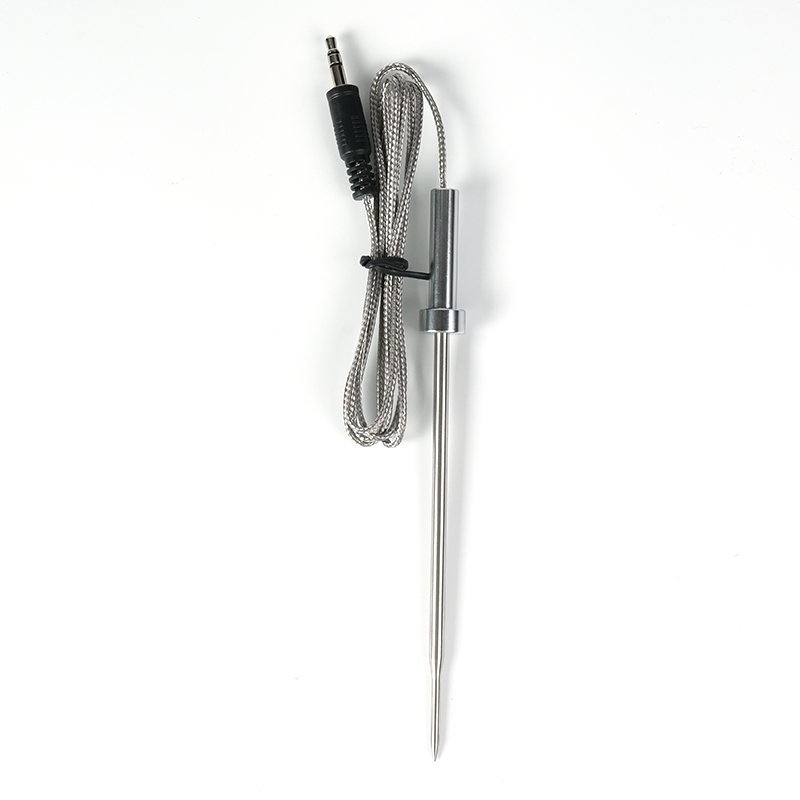
One of the biggest advantages of an NTC thermal sensor is its excellent sensitivity to temperature changes. NTC stands for “Negative Temperature Coefficient,” meaning the resistance decreases as the temperature rises. This characteristic allows the sensor to detect even small temperature variations with high accuracy, making it an ideal temperature sensing resistor for precision control systems.
Another important benefit is the fast response speed. Compared with many traditional temperature measurement devices, a thermistor temperature sensor reacts quickly to environmental changes. This helps improve system safety and efficiency, especially in applications such as battery protection, air conditioners, refrigerators, and industrial automation equipment.
Cost-effectiveness is also a major advantage of the NTC temperature sensor. These sensors are relatively inexpensive to manufacture while still offering stable and reliable performance. Because of their compact size and simple structure, they can easily be integrated into electronic circuits and small devices without increasing production costs.
In addition, the NTC thermistor sensor provides excellent durability and long-term stability. Many models are designed with waterproof coatings, stainless steel housings, or epoxy protection to ensure reliable operation in harsh environments. This makes them suitable for automotive electronics, renewable energy systems, and outdoor equipment.
The versatility of an NTC thermal sensor is another reason for its widespread use. Different resistance values, probe types, and cable configurations can be customized according to application requirements. Whether used in smart home systems or industrial machinery, the sensor delivers accurate temperature monitoring and control.
As technology continues to advance, the demand for efficient and precise thermistor temperature sensor solutions will continue to grow. With advantages such as high sensitivity, fast response, low cost, and reliable performance, the temperature sensing resistor remains an essential component in modern temperature management systems.
