



An NTC Temperature Sensor is one of the most widely used components in modern temperature measurement and control systems. “NTC” stands for Negative Temperature Coefficient, which means the resistance of the sensor decreases as temperature increases. Because of this unique property, it is highly effective for accurate and responsive temperature detection in industrial, automotive, and consumer applications.
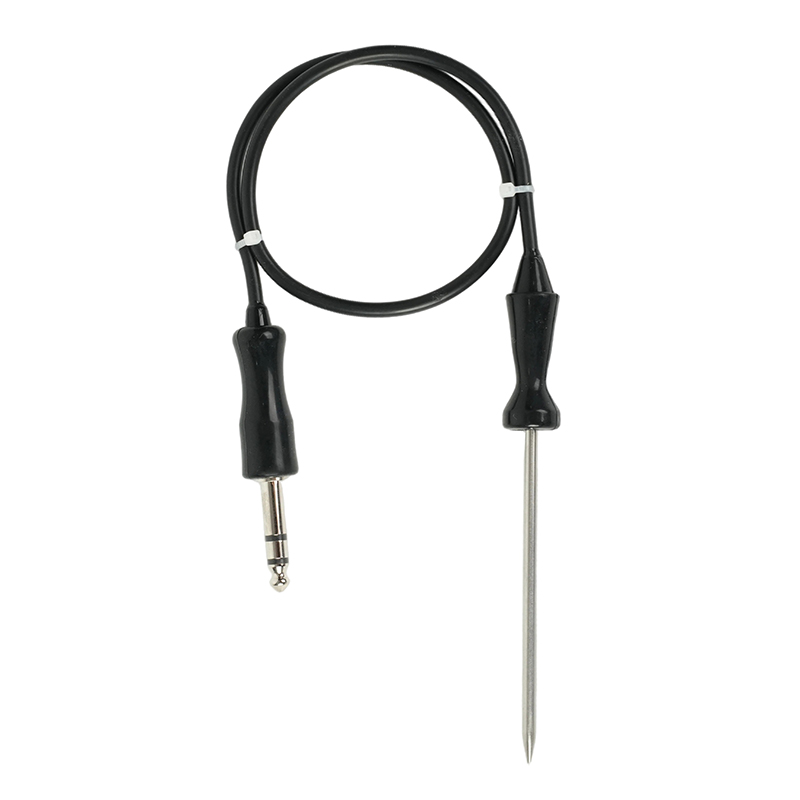
At the core of this technology is the NTC thermistor sensor, a semiconductor-based resistor made from metal oxides. When temperature changes, the electrical resistance of the thermistor changes in a predictable way. This allows the system to convert resistance values into precise temperature readings. Due to its high sensitivity, the NTC thermistor is ideal for detecting small temperature variations.
A temperature sensor NTC works by integrating the thermistor into a circuit. When connected to a controller or monitoring system, it continuously measures resistance changes and sends real-time temperature data. This makes it widely used in systems that require fast response and reliable monitoring, such as HVAC systems, battery packs, and electronic devices.
The term ntc sensor is often used in engineering and manufacturing to describe a complete temperature-sensing unit that includes the thermistor, protective housing, and connecting wires or probes. Depending on the application, the sensor may be designed as a waterproof probe, epoxy-coated bead, or stainless steel encapsulated unit for harsh environments.
A thermistor temperature sensor is valued for its high accuracy, low cost, and compact size. Unlike some other temperature sensing technologies, NTC sensors provide fast response times, making them suitable for real-time thermal protection systems. They are commonly used in automotive engines, lithium battery management systems, medical equipment, household appliances, and industrial automation.
One of the key advantages of NTC technology is its flexibility. Engineers can customize resistance values, temperature ranges, and probe structures to meet specific application needs. For example, in battery systems, an NTC sensor helps prevent overheating by continuously monitoring cell temperature and triggering safety controls when necessary.
In conclusion, an NTC temperature sensor is a highly reliable and efficient solution for temperature measurement. Whether referred to as an NTC thermistor sensor, temperature sensor NTC, or NTC sensor, it plays a critical role in modern electronics and industrial systems. Its accuracy, fast response, and wide application range make it one of the most essential temperature sensing technologies in today’s engineering world.
